Approach
I teach computer science by training how engineers think through structured problem-solving, debugging intuition, and applied reasoning in real-world systems.
My instruction emphasizes:
- Breaking complex systems into clear reasoning steps
- Connecting theory to production engineering workflows
- Guiding students toward independent problem-solving over rote memorization
Students learn not only how to write code, but how to reason through ambiguity, communicate tradeoffs, and design systems that are reliable beyond the classroom.
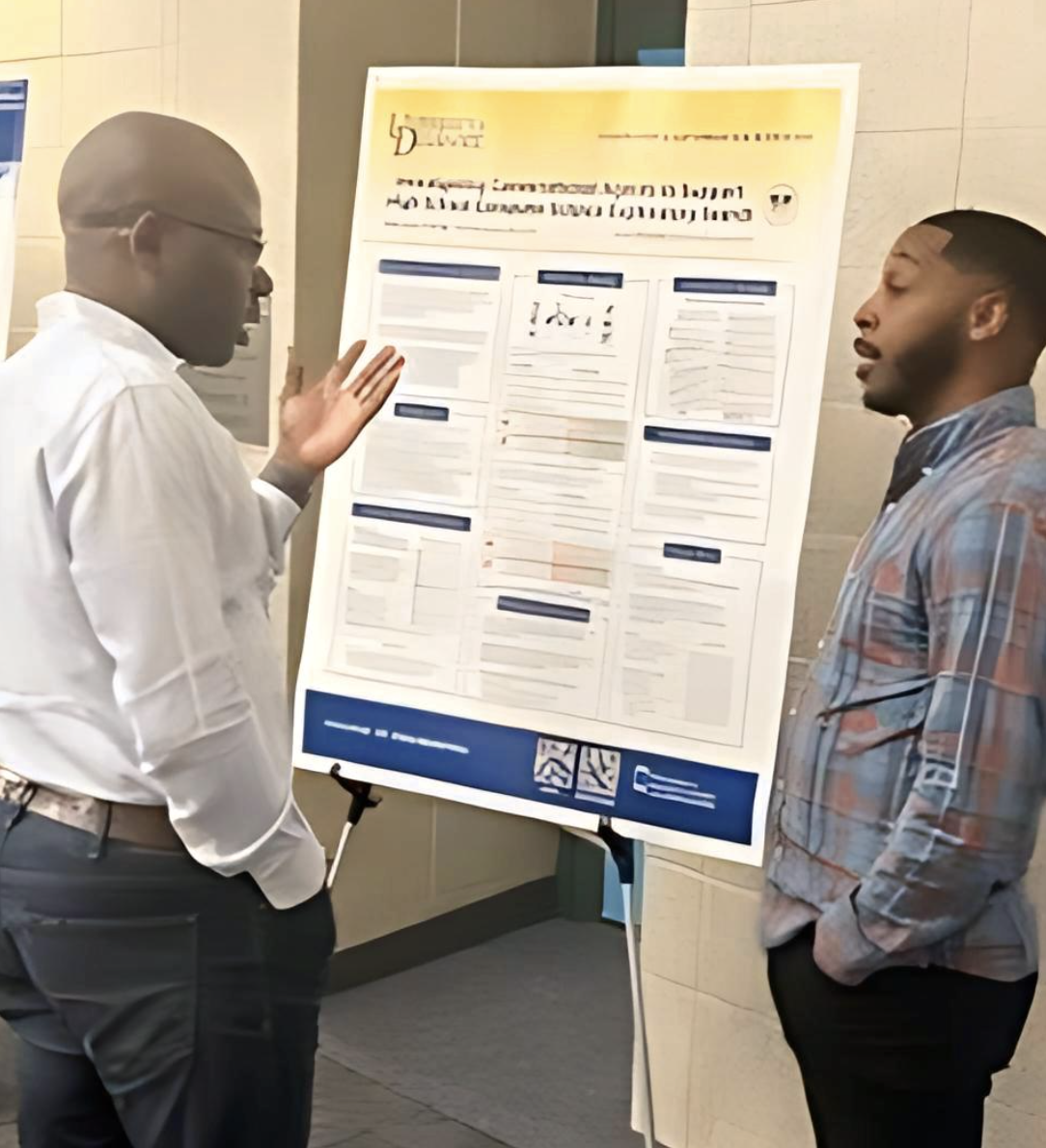
Courses Taught
University of Delaware
West Chester University
Responsibilities
Instructor
- Designed and delivered lectures, assignments, and course materials
- Led classroom instruction and course direction
- Developed original projects and evaluation frameworks
Teaching Assistant
- Led lab sessions and reinforced lecture material
- Mentored students in programming and data structures
- Provided detailed feedback through grading and office hours
Research Experience
Software Analysis and Compilation Lab (SAC)
Advisor: Lori Pollock
- Conducted research on conversational agents for supporting structured problem-solving in computer science education
- Investigated LLM-guided reasoning approaches (CoT, few-shot, RAG) for guiding user interaction and Socratic learning
- Published peer-reviewed work at ICSE and ITiCSE, demonstrating effectiveness in controlled educational settings and informing the design of structured AI systems
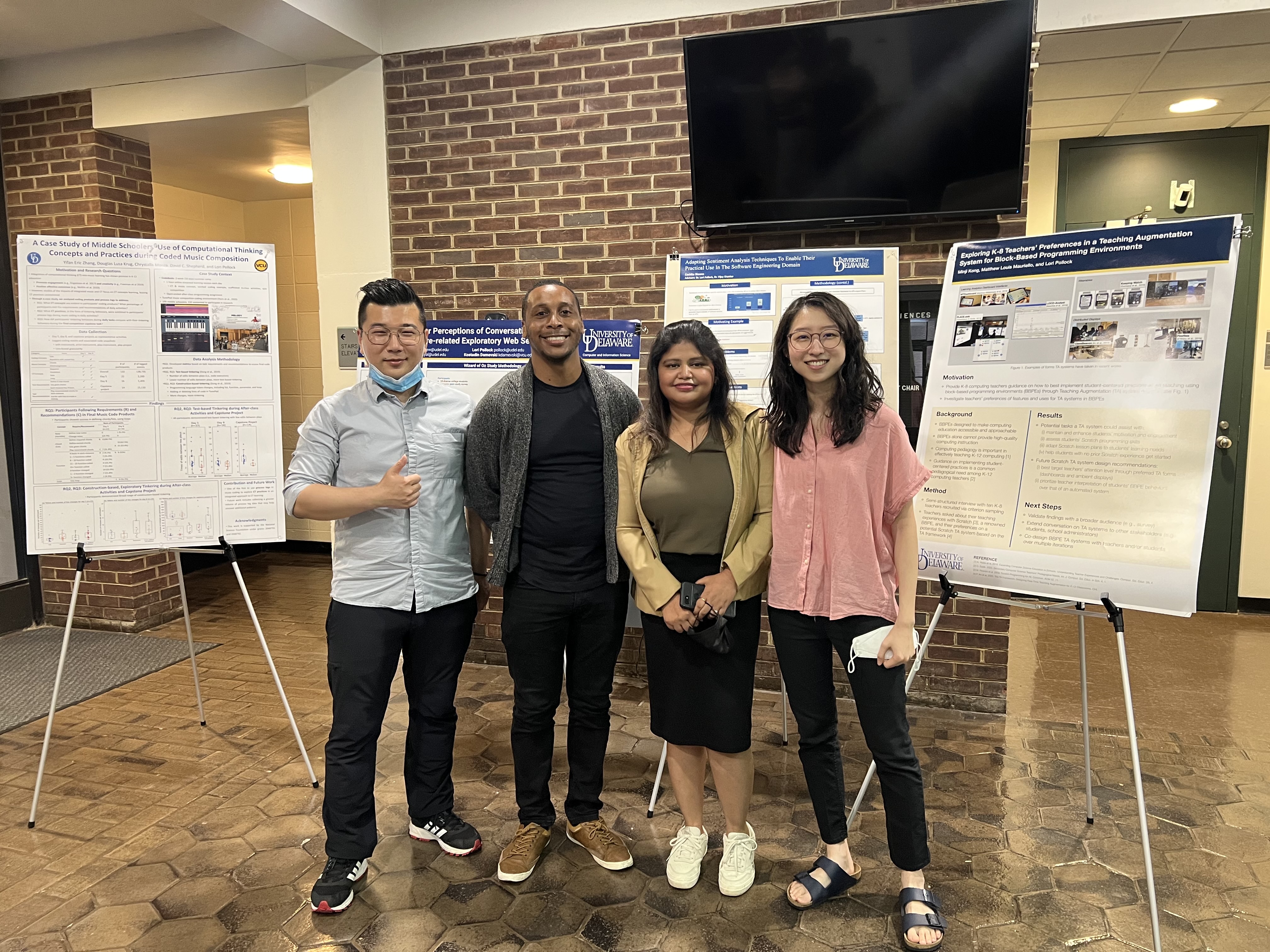
Community & Outreach
CodeBeats Summer Camp • University of Delaware
NSF-supported music and coding summer program for middle school students focused on broadening participation in computing through beat-making, TunePad, and creative coding experiences. Learn more
CRA-WP Mentor & Panel Guest
Served as a mentor and panel participant supporting graduate students and early-career researchers from underrepresented backgrounds in computing.
CRA-WP Grad Cohort for URMD / IDEALS
Selected participant in CRA-WP graduate cohort workshops focused on widening participation in computing research through mentoring, professional development, and community building for underrepresented groups in computing. 2022 Cohort · 2020 Cohort